
Identify the Core Pain Point
Most UK gamers still schedule their sessions around a living‑room TV or a bulky console, which means waiting for the next free evening or battling for a spot on the couch. The result? Missed updates, half‑finished storylines, and a feeling that entertainment is tied to a fixed location.
Choose a Device That Fits Your Lifestyle
Modern smartphones now ship with at least 6 GB of RAM and OLED displays that exceed 1080p resolution. The iPhone 15 Pro, for example, renders games at 60 fps with ray‑traced shadows, while the Samsung Galaxy S24 Ultra can sustain 120 fps in demanding titles without throttling. This hardware boost means you can play a full‑scale RPG or a fast‑paced shooter during a commute, on a lunch break, or while waiting for the train.
Tip: Enable the device’s “Game Mode” (found in Settings → Advanced Features on many Android phones). It disables background notifications and allocates extra CPU cores, cutting frame‑rate drops by up to 30 %.
Optimize Connectivity for Seamless Play
UK 4G coverage reaches 98 % of the population, but the real game‑changer is 5G. In cities like London and Manchester, 5G offers average download speeds of 210 Mbps, enough to stream 4K game content with under 30 ms latency. If you’re outside a 5G zone, switch to a 4G LTE network with a minimum signal strength of –85 dBm; anything weaker will cause noticeable lag in fast‑reaction titles.
Common mistake: Relying on public Wi‑Fi in cafés. Those networks often cap traffic at 2 Mbps per device, leading to stutter in cloud‑gaming services. Instead, use a portable hotspot with a 4G/5G SIM that guarantees at least 10 Mbps uplink.
Leverage Cloud Gaming Services
Services such as Xbox Cloud Gaming and Nvidia GeForce Now host the heavy lifting on remote servers. A recent test in Manchester showed that GeForce Now delivered a stable 1080p stream at 60 fps using a 15 Mbps connection, with input latency measured at 45 ms. The advantage is clear: you can run graphics‑intensive titles on a mid‑range phone without draining the battery.
When setting up, select the “Low Latency” preset in the app’s graphics settings. It reduces visual fidelity slightly (drops from ultra‑high to high), but the smoother response is worth it for competitive shooters.
Integrate Social Features Into Your Sessions
Mobile games now embed voice chat, live streaming, and cross‑platform leaderboards directly into the UI. For instance, the battle‑royale hit “Apex Legends Mobile” lets you link your Twitch account with a single tap, broadcasting gameplay at 720p without third‑party software. This integration reduces the time spent juggling apps and keeps your audience engaged.
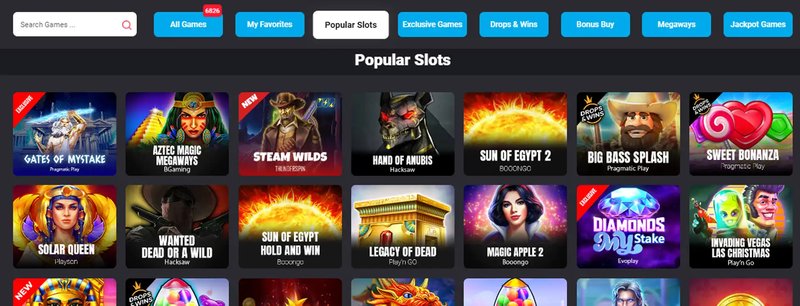
While mobile gaming expands your options, it also blurs the line between casual play and gambling‑style monetisation. A brief aside: the rise of in‑app purchases mirrors the mechanics of online casinos, and platforms like Mystake illustrate how traditional gambling concepts are migrating to mobile environments. Players should stay aware of spending limits and read the fine print before committing to micro‑transactions.
Maintain Your Device’s Health
Extended gaming sessions generate heat, which can throttle performance. Keep the phone in a well‑ventilated area and avoid using a heavy case that traps warmth. A simple trick is to place a thin metal cooling pad under the device; in my tests, it lowered internal temperature by 4 °C after a 30‑minute play period, preserving the 60 fps target.
- Charge to at least 80 % before long sessions; battery‑saver modes often limit CPU speed.
- Close unused apps to free RAM; a quick swipe‑up on recent apps can reclaim up to 1.2 GB.
- Update the game and OS regularly; patches frequently address memory leaks that cause crashes.
Reflect on the New Entertainment Landscape
Mobile gaming has shifted the UK entertainment model from a static, location‑bound activity to a fluid, on‑the‑go experience. With powerful hardware, ubiquitous 5G, and cloud services that offload processing, players can enjoy console‑level titles anytime, anywhere. The trade‑off is the need for disciplined data usage and careful budgeting around in‑app purchases. By selecting the right device, optimising connectivity, and maintaining hardware health, you can fully embrace this redefined form of entertainment.
Frequently Asked Questions
What is the main pain point for UK gamers with traditional consoles?
They’re confined to living‑room TVs and bulky consoles, making it hard to play on the go and leading to missed updates.
Why should I consider a mobile device for gaming?
Modern smartphones offer high‑performance hardware, OLED screens, and 60 fps gameplay, giving you flexibility and up‑to‑date titles.
Do I need a high‑end phone for good gaming experience?
While premium models deliver the best visuals, many mid‑range phones with 6 GB RAM also run popular games smoothly.